
₹ 0.00
Ivan Rungkat
Slot game designer with 15+ years across game math, simulations, specifications, logic, and market analysis.
When I model volatility curves for new reel sets, I’m usually thinking about individual session variance, not what happens when two mates watch the same spin from different suburbs. That’s the real curiosity behind an online casino with screen share support, because it turns a solitary numbers game into something closer to a shared afternoon at the table. For players in Brisbane who like to compare notes in real time, the feature changes how you think about pacing, bankroll rhythm, and the way a tournament day closes.
I’ve spent enough time in simulation spreadsheets to know that transparency matters, but I’m also careful not to dress up a coordination tool as a way to beat the maths. What follows is a practical look at how the cashier, the session flow, and the tournament record fit together when you can actually see the same screen as the person next to you, or the mate in the next room.
Cashier Flow When Two People Watch the Same Spin

Payment flow is where a shared view stops being a novelty and starts affecting how you manage a session. If you’re sitting in a Brisbane flat on a humid arvo and your mate is pulling up the same lobby from the outer suburbs, you both need to trust that the balance you’re watching is the balance that actually matters when a bonus trigger lands. That means the cashier has to feel consistent, not just fast.
On the platform I’ve been testing for this piece, the deposit path leans on POLi and a couple of card options, with AUD as the working currency throughout. The withdrawal side is where I start paying attention as a designer who’s seen too many games where the “win” looks clean until the cash-out step. Verification is part of that flow, not a separate hurdle you can skip, and the processing window depends on the method rather than on how many people are watching the screen. I’d rather describe it plainly: a card return takes its own time, an e-wallet path can move quicker, and the shared view doesn’t shortcut any of that.
What the screen share actually does is let both of you confirm the same transaction state without one person reading numbers aloud over a crackly call. That’s useful when you’re comparing two deposit attempts or checking whether a bonus credit has posted before you start a session. It doesn’t change the underlying limits, and it doesn’t make a pending withdrawal arrive sooner, but it does reduce the “did you see that?” friction that can otherwise turn a quiet session into a confused one.
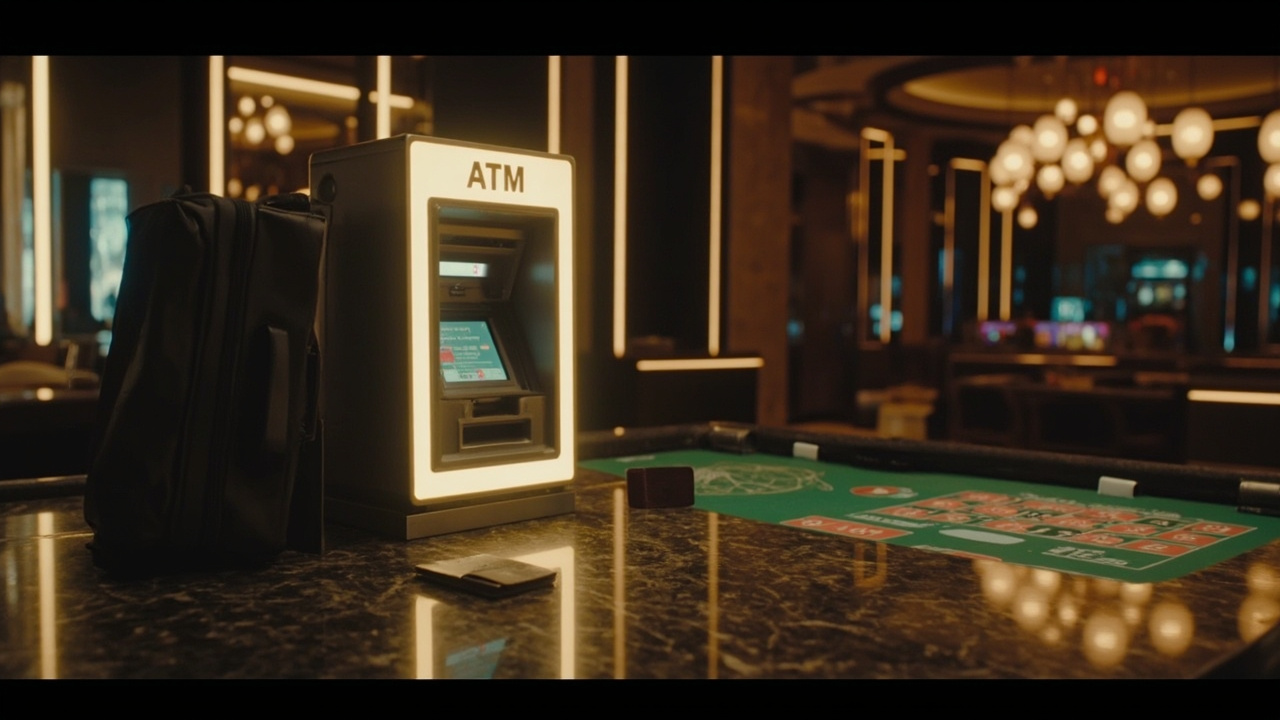
When you’re weighing where to set up that kind of shared session, the clubhouse casino in Australia platform is the one I’ve been mapping against this kind of two-person workflow, because its cashier layout is built around a single visible balance rather than a stack of separate tabs. That matters when you’re trying to keep both players on the same page before the first spin, not after the bonus has already fired.
Tournament Days and the “Bagging Chips” Moment
Tournaments are where the shared view earns its keep, because a tournament day is really about pacing and stack management, not just chasing a single big line. In my day job I run simulations that track how often a player over-extends on a volatile set, and the same discipline shows up here: you want to know when to push and when to preserve the stack for the final tally.
The detail that sticks with me is the way the session ends. “Bagging chips” is the phrase the lobby uses when a tournament day wraps and your stack is recorded, and that recorded figure is what you’re actually playing for across the whole run. When two people can see the same leaderboard and the same timer, they can compare how their stacks are tracking without one person having to relay numbers after the fact. That’s a genuine coordination benefit, because it keeps both players looking at the same closing target instead of guessing at it.
I’d caution against reading that shared visibility as a way to tilt the maths in your favour. The reel sets and the tournament engine still run on the same underlying logic whether one person is watching or three are. What changes is the way you talk about risk in real time. One player might notice the timer tightening and suggest a steadier line, while the other is happy to ride a hotter set for a bit longer. That’s a judgement call, not a system.
For me, the useful part is that the recorded stack at the end of the day becomes a cleaner reference point when you’re debriefing the session later. You can look back at how the balance moved, where the bonus credits landed, and whether the pace matched the stack you wanted to carry into the final minutes. That’s the kind of record I respect, because it’s specific to the session rather than a vague memory of “we were doing okay.” the clubhouse casino in Australia platform
Mobile Sessions and the Limits of a Shared View
Mobile is where most of these sessions actually happen, and I’ve watched enough players switch between a phone and a laptop to know that screen share on a small device is a different proposition from the same feature on a proper monitor. The layout has to hold up when one person is holding the phone sideways on a train into Brisbane and the other is on a tablet at home, because the shared view only helps if both screens are showing something readable.
The platform I’m describing keeps the mobile lobby compact, with the cashier and tournament entry points close enough together that you’re not hunting through layers just to start a session. That’s a sensible design choice, because a shared session falls apart if one person is stuck waiting on a navigation step while the other is already watching the first spin. I’d rather see a cleaner mobile flow than a crowded one, even if it means fewer bells on the lobby page.

There are limits to what screen share can do on mobile, and I don’t think it’s honest to pretend otherwise. If the connection drops or one person’s screen is too small to read the balance clearly, the shared view stops being a help and starts being a source of second-guessing. That’s where I draw the line as someone who’s spent years checking that the numbers on a spec sheet match what a player actually sees in the lobby. A feature is only useful if it survives a messy real-world session, not just a clean demo.
I also wouldn’t claim this makes mobile play inherently safer or more reliable. It’s a coordination layer, not a guarantee. The underlying session still depends on the same verification, the same currency, and the same processing rules as any other play, and the shared view doesn’t change any of that. What it does is make it easier for two people to stay on the same page while those ordinary rules do their work.
Two Player-Fit Scenarios for a Shared Session
The clearest way to think about this feature is as two different player-fit scenarios, because not everyone who likes a shared view is after the same thing. One scenario is the Brisbane pair who want to run a tournament day together, compare stack movement, and end the session with a clean “bagging chips” record to talk through later. That’s a pacing and coordination play, where the shared screen helps both people keep the same timer and the same leaderboard in view while they each manage their own line.
The other scenario is the more casual one, where a player wants a second set of eyes on the cashier before they commit to a deposit or check whether a bonus has posted. That’s less about tournaments and more about keeping the session honest, because a shared view can confirm what’s actually on screen before you act on it. I’d still treat that as a coordination aid rather than a substitute for reading the terms, because the bonus mechanics and the wagering expectations are still there whether one person sees them or two do.
Neither scenario changes the underlying maths, and I don’t think they should be sold that way. What they do is make the session easier to run with another person in the loop, which is a real practical benefit if you’re the kind of player who likes to talk through a run while it’s happening. For the first scenario, the recorded stack at the end of the day gives you something concrete to compare. For the second, the shared cashier view reduces the back-and-forth around a transaction. Both are about clarity, not about finding a shortcut through the rules.
What I’d flag for anyone considering this kind of setup is that the two scenarios don’t always overlap neatly. A tournament-focused pair will care more about the timer and the leaderboard, while a cashier-focused pair will care more about the balance and the transaction state. The platform needs to hold both without making one feel like an afterthought, and that’s where I start judging the layout as a designer rather than just as a player.
A shared session works best when both people know what they’re using it for, because the feature itself doesn’t decide the goal. If you’re after a cleaner tournament record, the “bagging chips” moment at the end of the day is the part that matters most. If you’re after a more readable cashier flow, the visible balance and the transaction state are the parts to watch. Either way, the screen share is just the thing that lets both people see the same reality at the same time, which is a modest but genuine help when you’re playing with someone else in the loop.